
The Pressure Facing Cross-Border Freight Brokers
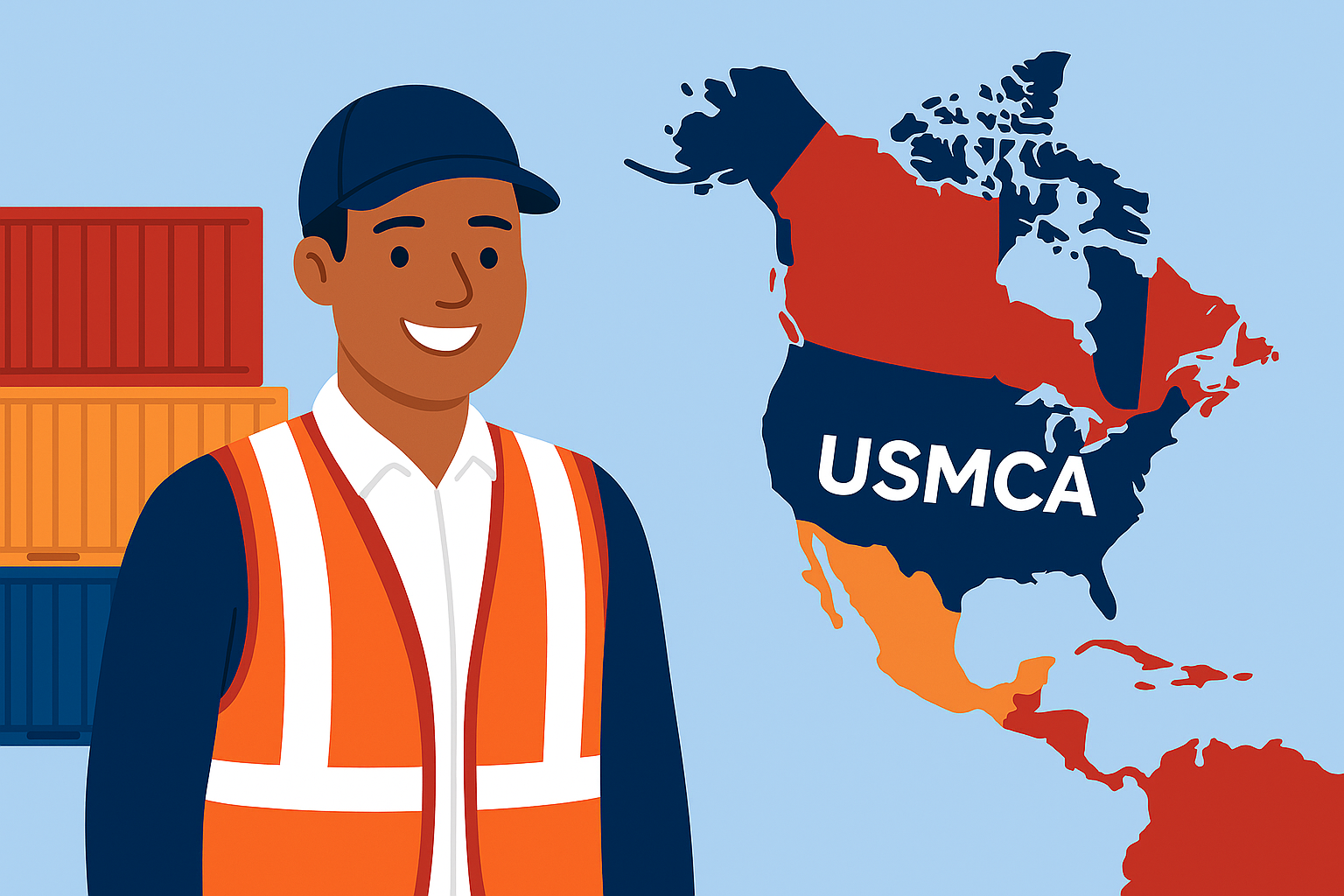
You feel pressure from both sides. Customers want lower rates. Carriers wish to pay faster. Tariff shifts and customs friction add cost and time. If your brokerage freight is tied to Mexico or Canada, your playbook needs to match today’s trade reality.
Why the Lanes Matter More Than Ever
Let’s start with the lanes. Port Laredo is the number-one U.S. trade port by value. Trade through Laredo surpassed $339 billion in 2024, with rising truck counts and expansion on the horizon. That volume won’t slow. Your business needs clean customs files, reliable cross-dock partners, and a bond program that doesn’t blink when volumes spike.
Tariffs and Their Direct Impact on Margins
Tariffs still shape routing and cost. Section 232 actions on steel and aluminum continue to evolve, with product-specific carve-outs and rules on melt-and-pour that affect origin claims and duty exposure. When customers shift sources or HS codes change, your margins move—and so does carrier interest on those lanes.
A Fast-Moving Policy Environment
The policy picture changes fast. Recent updates on materials and sector-specific duties ripple through Texas-Mexico flows, from auto parts to metals. Mexico and the U.S. continue to negotiate hot spots, necessitating brokers to have a live read on what’s dutiable, what’s exempt, and where paperwork stalls. That’s not a theory: your detention clock is ticking while entries clear.
What This Means for Your Day-to-Day Operations
So, what does this mean for your day-to-day activities?
-
Tight filings. Coordinate with your shipper’s customs broker early. Fix HS codes and country-of-origin proofs upstream.
-
Stable carriers. Keep a vetted core near Laredo, Pharr, Brownsville, El Paso, and on the Canadian side at Coutts/Sweetgrass and Emerson/Pembina.
-
Fast claims response. The bond market tightened after a wave of broker non-payment claims. Show pay discipline and fraud controls; it protects your bond pricing.
Leveraging Regional Trade Corridors
Now, you can use regional ties. Texas ↔ Alberta isn’t just a map line; it’s an energy and industrial corridor with real freight: OCTG, machinery, chemicals, project cargo. The Ports-to-Plains concept links production regions to Gulf export gateways. If you’re based in Houston or Dallas, consider building relationships with Alberta shippers who require reliable access to the Gulf of Mexico. Offer consistent capacity, clean ELD data, and clear SOPs for hazmat documents and overweight permits.
Cash Flow, Bonds, and Survival
Cash management still decides who survives. Tariffs raise landed cost. Carriers push for quick pay. To secure the best trucks for tariff-sensitive freight, align your customer’s DDP/DDU terms with a payment plan that carriers find acceptable. Use your BMC-84 bond to signal stability and pair it with strict carrier vetting to prevent claims from being added to your record. Watch the FMCSA 2026 financial-responsibility updates; some BMC-85 trusts won’t qualify under the new liquidity rules. Have a migration plan to BMC-84 if you’re still on a trust.
A Final Gut Check
Ask yourself: Are your Mexico and Canada lanes priced with today’s duty profile or last year’s? Do your SOPs survive a random exam at the bridge? Do your carriers know precisely when they’ll be paid?
If not, fix it now. The volume is there. The winners run tight files, pay on time, and keep a clean bond record.
Protecting Your Bond Program as You Grow
Need help stabilizing your bond program while you grow cross-border freight? Ai Surety Bonding USA will place BMC-84 bonds, align your documentation, and help you protect margins in Mexico and Canada lanes.