
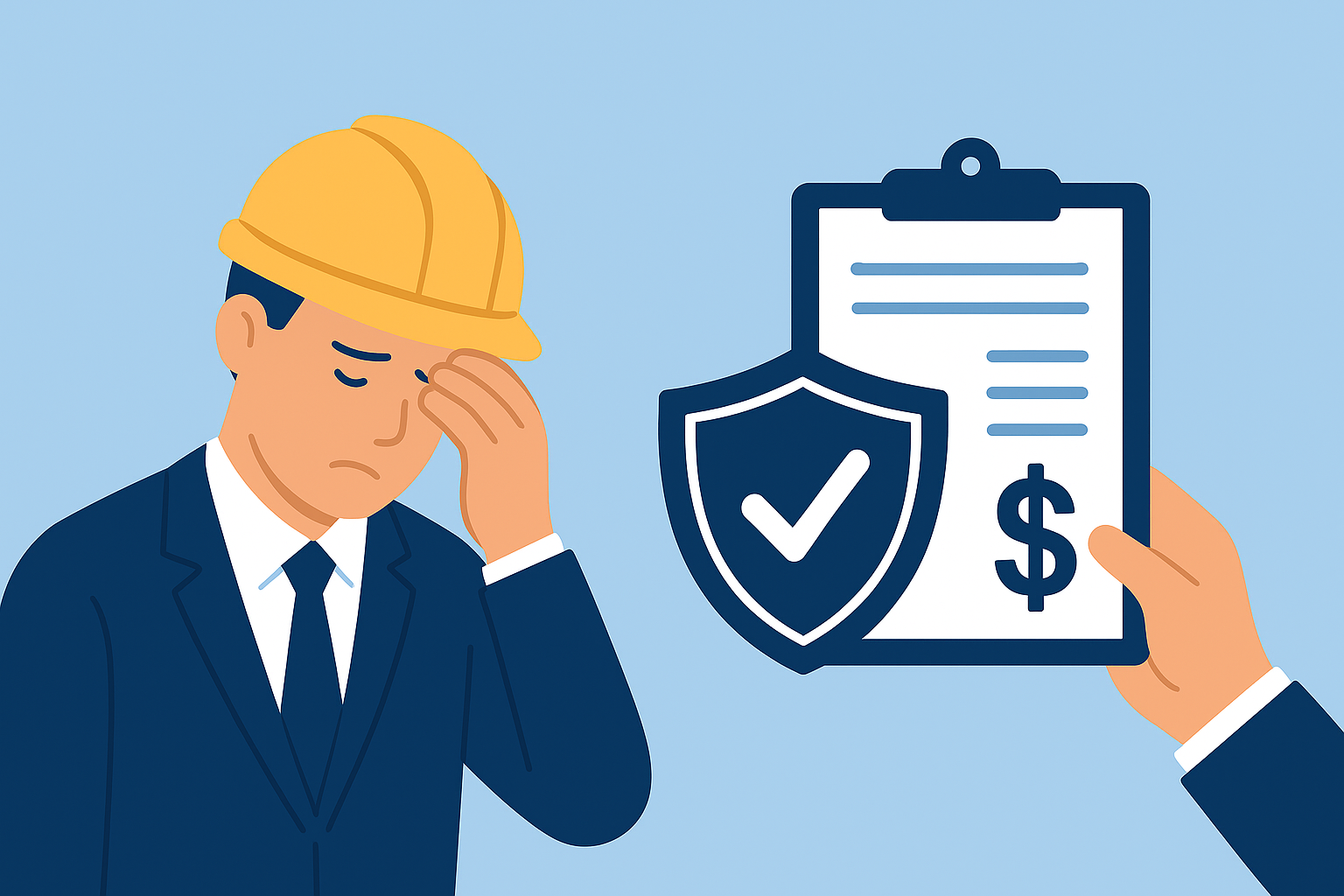
Failure in construction rarely occurs suddenly. It develops gradually, often during growth phases when systems and disciplines struggle to keep pace with opportunities. A surety relationship typically reveals these weaknesses before they result in losses. The review, reporting, and accountability associated with bonding can help prevent the most common causes of contractor failure.
The top 5 reasons contractors fail and how to protect against them are:
Weak Cash Flow
Cash flow is the foundation of every contracting business. When it falters, everything else is affected. Delayed payments, poor billing practices, and retention holdbacks strain working capital. Rapid growth without enough liquidity makes the problem worse.
Sureties carefully analyze cash flow patterns. They review balance sheets, WIP reports, and bank relationships to understand how money moves through a company. Contractors who manage cash prudently and report consistently build trust with their surety and clients. The companies that last are not always the largest, but rather those that handle their finances most effectively.
Underbidding
Low bids often arise from optimism rather than careful analysis. A contractor might pursue a project at a loss, hoping to recover costs through change orders or improved field efficiency. However, this strategy rarely proves successful. Once the contract is signed, the price is fixed; yet the risks persist.
Surety review helps control this tendency. Before approving a performance bond, a surety evaluates the contractor’s estimates, past performance, and capacity to ensure that the bid accurately corresponds with the contractor’s capabilities. This process is not interference; it’s validation. It protects the contractor from accepting work that their business cannot handle.
Poor Financial Reporting
A contractor who cannot read or trust their own financial statements is working without proper guidance. Inaccurate job costing, outdated ledgers, and incomplete WIP schedules create a false sense of confidence. The financial picture may appear profitable on paper, while actual losses accumulate in the field. Surety companies rely on accurate reporting to extend credit and capacity. They require CPA-reviewed or audited statements for a reason. The discipline of timely and precise reporting benefits not only the Surety but also keeps the contractor informed and responsive. Strong financial management is a key trait of long-term success in the industry.
Overexpansion
Growth can be riskier than decline. The contractor who takes on too many projects, hires too quickly, or enters unfamiliar markets often finds that systems and capital do not grow at the same pace. What seemed like an opportunity can turn into a liability.
A surety relationship establishes boundaries. The bonding facility determines capacity and compels management to assess which projects match available resources. When a surety hesitates to support a project, the reason is usually legitimate. Many companies that ignored these signals did not survive their next growth cycle.
Ineffective Project Management
Most failures start in the field. Weak supervision, poor scheduling, and missing documentation turn profitable jobs into disputes. Change orders go unsigned, and cost overruns quietly accumulate. By the time management sees the numbers, the profit margin has already been lost.
Bonded contractors exercise tighter controls. They follow established administrative procedures, monitor costs in real-time, and maintain formal communication. Sureties prefer contractors with documented systems, as these prevent surprises. Consistent project management safeguards both reputation and profit simultaneously.
Surety bonding is not a reaction to failure; it acts as a filter that prevents it. The process promotes financial transparency, structured decision-making, and measured growth. Every report submitted, every discussion with a surety underwriter, adds discipline to a contractor’s management framework.
Bonding protects more than just the project owner. It also safeguards the contractor from overreaching actions. Additionally, it prevents decisions made under pressure from causing long-term damage.
When understood correctly, the surety relationship becomes an extension of corporate governance. It sets boundaries, encourages accountability, and rewards consistency. Contractors who build within those boundaries develop resilience. Those who ignore them tend not to last.
Surety bonding does not ensure success, but it encourages behaviors that lead to repeatable success.